- Dandruff is usually caused by a yeast-like fungus (Malassezia), dry scalp, or sensitivity to hair products — not poor hygiene.
- Herbal ingredients like neem and aloe vera are traditionally used to keep the scalp feeling fresh, but no shampoo treats severe dandruff.
- See a dermatologist if flakes persist after 3–4 weeks, or if there is redness, swelling, or hair loss.
Flakes on your shoulders, an itchy scalp, and a search for the best herbal shampoo for dandruff: it is one of the most common hair worries in Pakistan, especially in hot, sweaty summers and dry winters. The good news is that mild dandruff is very common and manageable. The honest news is that not every herbal shampoo is built to treat it. This guide explains what causes dandruff, which ingredients may help, how to wash properly, and when you should see a doctor.
What causes dandruff?
Dandruff is not a sign that you are dirty. It happens when the skin on your scalp sheds faster than usual and the flakes become visible. Common contributors include:
- A yeast called Malassezia. It lives on almost every scalp. In some people, it reacts to scalp oils and triggers flaking and itching.
- An oily scalp. More oil can mean more food for the yeast.
- Seborrheic dermatitis. A more inflamed form of dandruff, with redness and greasy yellowish flakes.
- Washing too rarely. Oil, sweat and dead skin cells build up.
- Product build-up. Heavy oils and styling products left on the scalp can aggravate flaking.
- Sensitivity to a product. Contact dermatitis from a shampoo or dye can look like dandruff.
- Weather and stress. Dry winters and hot, humid summers both make flaking worse for many people.
Dandruff or dry scalp?
The two look similar but need different care. Dandruff flakes are usually larger, yellowish or white, and the scalp can feel oily. A dry scalp produces smaller, whiter flakes, the skin may feel tight, and your body or face may also feel dry. If you are not sure which you have, a doctor or dermatologist can tell you quickly.
Herbal ingredients people use for dandruff
Several plant ingredients are traditionally used for scalp care. Here is an honest look at them:
- Neem: traditionally used on the scalp in South Asian homes for its cleansing reputation. Scientific evidence for dandruff in particular is limited.
- Tea tree oil: some small studies suggest tea tree oil in a shampoo can reduce flaking and itching. It can irritate skin if used undiluted.
- Aloe vera: valued for its soothing, cooling feel on an irritated scalp.
- Shikakai and reetha: natural saponin cleansers that cleanse the scalp gently.
- Amla: traditionally used to condition and support healthy-looking hair.
It is worth knowing that the strongest evidence for treating dandruff belongs to medicated ingredients such as zinc pyrithione, ketoconazole and selenium sulphide. If your dandruff is moderate to severe, or does not improve with a herbal shampoo, a medicated shampoo is the proven option and a doctor can guide you to the right one.
How to wash for a flake-free scalp
- Wash regularly. Two to three times a week is a good starting point. If your scalp is oily, wash every one to two days.
- Massage, do not scratch. Use your fingertips for 60 seconds and let the shampoo reach the scalp.
- Rinse thoroughly. Leftover shampoo can itch and flake.
- Skip very hot water. It dries and irritates the scalp.
- Avoid heavy oiling on a flaky scalp. If you oil, keep it light, leave it on for an hour or two, and wash it out well.
- Keep combs, towels and pillowcases clean. Wash them weekly.
- Give it time. Judge any new shampoo after four weeks of regular use.
Dandruff myths worth dropping
- "Washing more makes dandruff worse." Usually the opposite is true. Regular washing removes oil and flakes. Only very harsh or very hot washing makes things worse.
- "Dandruff is contagious." It is not. You cannot catch it from a comb or a towel.
- "Dandruff means a dry scalp." Often the scalp is oily. Dryness is only one of several causes.
- "Oiling the scalp cures dandruff." Oil can soothe dryness, but heavy oil on a flaky scalp can feed the yeast that contributes to it.
Everyday habits that help
Small habits matter as much as the shampoo. Sleep well and manage stress, since flare-ups often follow a bad week. Eat a balanced diet with enough zinc and B vitamins. After sweating in the heat, rinse or wash instead of letting sweat dry on the scalp. Avoid covering a damp scalp with a tight cap for long hours, and clean your hairbrush every week.
How NB Herbals fits in
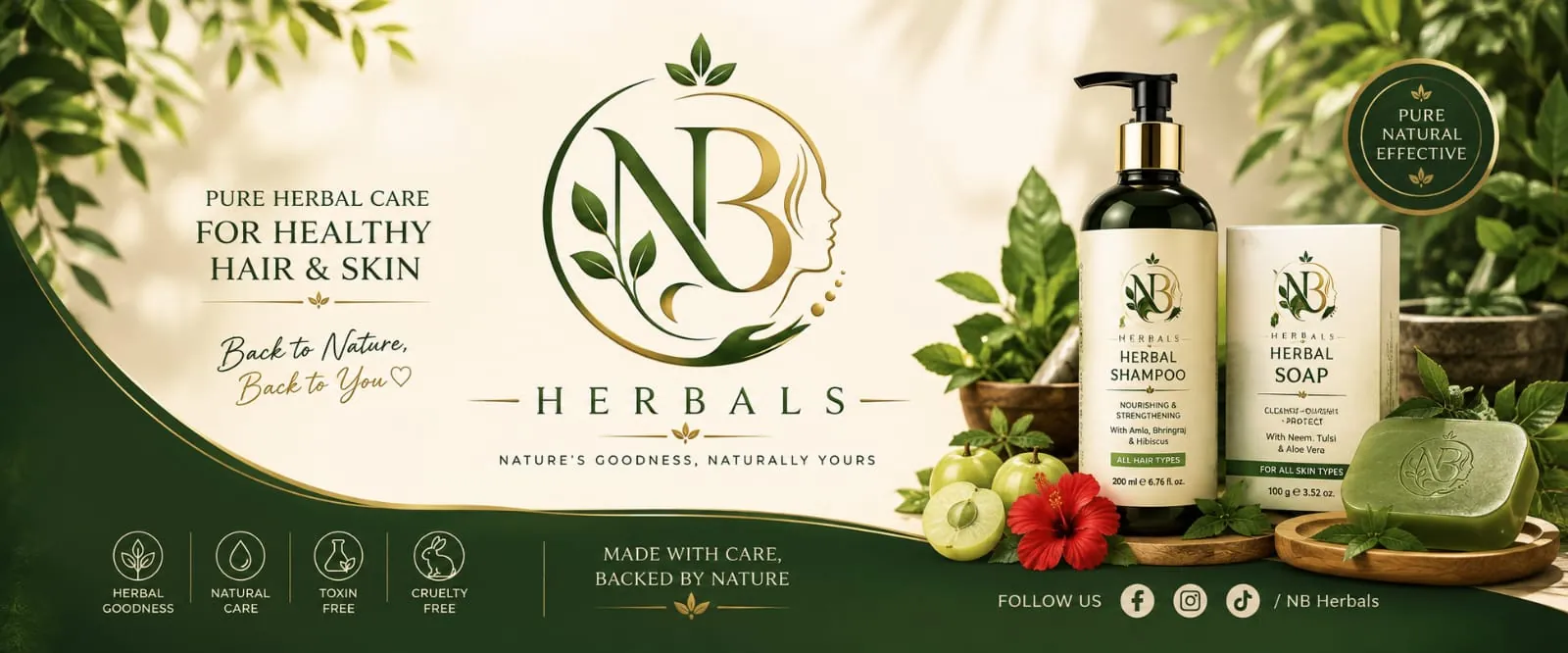
NB Herbals Herbal Shampoo is a gentle, everyday herbal shampoo made with amla, shikakai and hibiscus. It is not a medicated anti-dandruff treatment, and we would rather say so honestly than promise a cure. What it can do is cleanse your scalp thoroughly with its mild herbal formula, which is a good foundation if your flaking is mild or linked to build-up, sweat or dryness.
If you want to try it, see the NB Herbals Herbal Shampoo 200ml for ingredients and price, or read our full herbal shampoo guide herbal shampoo.
When to see a doctor
See a doctor or dermatologist if:
- Flaking does not improve after four to six weeks of regular care
- The scalp is red, inflamed, painful or has sores
- Flakes spread to your eyebrows, face or ears
- You notice patchy hair loss or thick, scaly patches
- Itching is severe or disturbs your sleep
These can be signs of seborrheic dermatitis, psoriasis, ringworm or another condition that needs proper treatment.
Frequently asked questions
Can herbal shampoo cure dandruff?
No shampoo, herbal or medicated, permanently cures dandruff. It is a condition that tends to come and go. The goal is to keep it under control with regular, gentle care.
Is herbal shampoo as good as anti-dandruff shampoo?
For mild flaking, a gentle herbal shampoo and good washing habits can be enough. For moderate or persistent dandruff, medicated shampoos have stronger proof behind them.
How often should I wash if I have dandruff?
Two to three times a week for most people, and every one to two days if your scalp is oily. Not washing enough allows build-up that makes flaking worse.
Does hair oil help or worsen dandruff?
It depends. A little oil can soothe a dry scalp, but heavy oil left on an oily, flaky scalp can make things worse. Use less, wash it out the same day, and stop if flaking increases.
Which herbal ingredient is best for dandruff?
There is no single winner. Tea tree has some small studies behind it, neem and aloe are popular traditional choices, and shikakai helps cleanse gently. Which one suits you depends on your scalp, and patch testing is important because tea tree in particular can irritate.
Can I use herbal shampoo every day if I have dandruff?
If your scalp is oily, daily washing with a mild shampoo is fine and often helpful. If your scalp is dry, two to three times a week is enough. Watch how your scalp responds over a few weeks and adjust.
Can dandruff cause hair fall?
Dandruff itself does not usually cause hair loss, but scratching hard and long-term scalp inflammation can contribute to shedding. If you see patches of hair loss, speak to a doctor.
Next step
If your flaking is mild, start with a gentle, regular wash routine and give it a month. Try NB Herbals Herbal Shampoo for Rs 899 NB Herbals Herbal Shampoo 200ml, and see a doctor if there is no improvement.
Try the NB Herbals routine
Herbal Shampoo 200ml — Rs 899 · Herbal Hair Oil 100ml — Rs 799. Cash on delivery, order on WhatsApp.